
Welcome to Srinagar
Srinagar, the summer capital of Jammu and Kashmir, is widely known as the heart of Kashmir. Resting in a broad valley beneath the Pir Panjal and Himalayan ranges, this remarkable city brings together serene lakes, historic gardens, ancient shrines, lively markets, and a deeply rooted cultural identity. For many travellers, Srinagar is the first image that comes to mind when they imagine Kashmir Tourism: a shikara gliding across Dal Lake, houseboats reflected in still water, snow-lined mountains in the distance, and majestic chinar trees turning the landscape gold in autumn.
The city is shaped by water. Dal Lake and Nigeen Lake are not simply scenic landmarks; they are part of Srinagar’s daily rhythm. Families live and work on the water, vendors move through floating neighbourhoods, and traditional wooden shikaras connect gardens, houseboats, and lake communities. A Houseboat in Srinagar offers a distinct way to experience this setting, with carved wooden interiors, calm lake views, and the gentle sound of water at the doorstep.
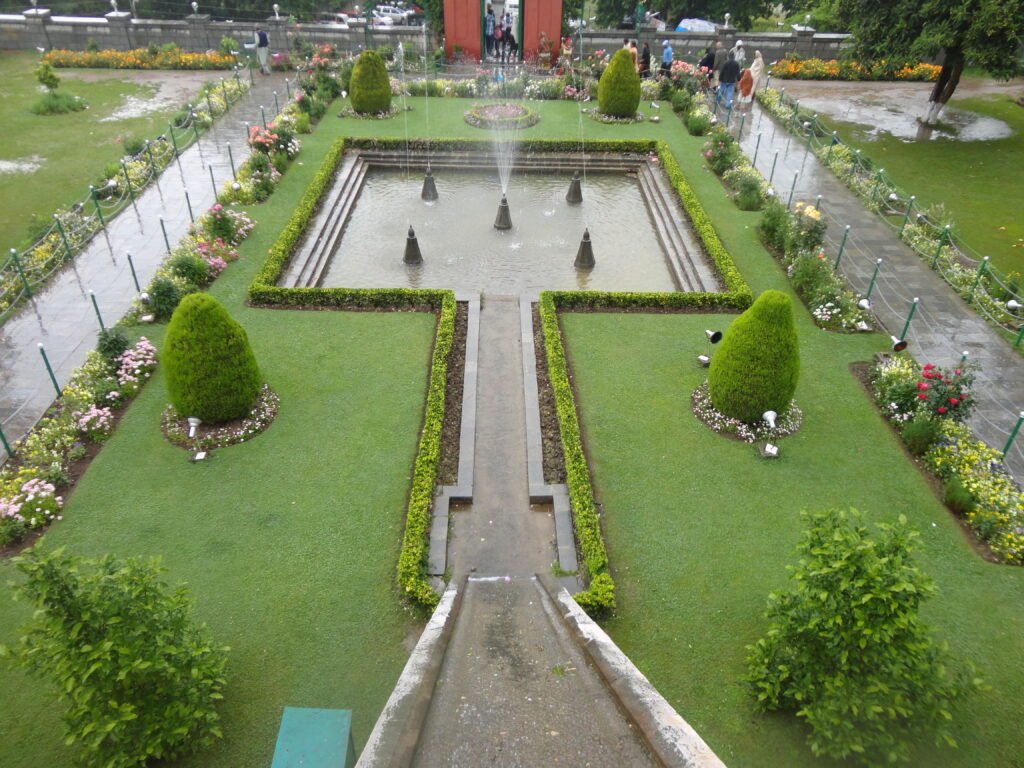
Srinagar Travel Guide experiences are equally rich on land. The city’s Mughal Gardens Srinagar, including Nishat, Shalimar, and Chashme Shahi, demonstrate how rulers once designed landscapes around flowing water, terraced lawns, flowers, and mountain views. Old mosques, temples, fortifications, markets, bakeries, and neighbourhood streets reveal layers of history that extend far beyond its postcard beauty.
Kashmiri hospitality adds warmth to every visit. Guests are often welcomed with kahwa, conversation, and a genuine interest in sharing local traditions. Whether you are seeking Srinagar sightseeing, heritage, food, photography, or a slower connection with Himalayan life, Srinagar offers an atmosphere that remains memorable long after the journey ends.
About Srinagar
Srinagar lies in the Kashmir Valley along the banks of the Jhelum River, at an elevation of roughly 1,585 metres above sea level. Its setting gives it a temperate mountain climate, with pleasant summers, colourful autumns, cool springs, and winters that can bring snow. The city is surrounded by hills and distant peaks, while its lakes, canals, and waterways lend a gentle, unhurried character to everyday life.
Often called the “Venice of the East,” Srinagar is famous for its aquatic landscape. Wooden bridges cross the Jhelum, traditional boats move through lake channels, and floating gardens create scenes that feel both timeless and alive. Yet Srinagar is also a modern regional centre, with educational institutions, bazaars, cafés, craft workshops, and busy commercial streets.
Srinagar Culture reflects a blend of Kashmiri Muslim, Hindu, Sikh, Buddhist, and broader Himalayan influences. Local life is marked by close family ties, respect for guests, skilled craftsmanship, and a strong relationship with the seasons. From winter pherans and kangris to spring blossoms and autumn harvests, the city’s lifestyle is closely connected to its natural surroundings.
Srinagar History
Srinagar has one of the oldest urban histories in the Himalayan region. Ancient traditions connect the Kashmir Valley with early settlements around lakes, rivers, and fertile land. The city developed as an important centre of learning, trade, religion, and administration because of its location on routes linking Central Asia, the Indian subcontinent, and mountain regions to the north.
Ancient, Buddhist, and Hindu Heritage
Early Kashmir was shaped by Hindu kingdoms and later by Buddhist thought and scholarship. Temples, archaeological remains, and old hilltop sites around Srinagar preserve traces of these periods. The Shankaracharya Temple, standing above the city, is among the most prominent symbols of this ancient spiritual heritage.
The Mughal Period
The Mughal era left a defining imprint on Srinagar. Mughal rulers admired the valley’s climate and scenery, creating formal gardens that used terraces, fountains, water channels, and symmetrical views. Shalimar Garden, Nishat Garden, and Chashme Shahi remain among the finest expressions of this landscape tradition and are central Srinagar Attractions today.
Afghan, Sikh, Dogra, and Modern Srinagar
After the Mughal period, Srinagar passed through Afghan and Sikh rule before becoming part of the Dogra kingdom. Each period influenced local governance, trade, architecture, and urban growth. Modern Srinagar combines this layered past with contemporary life. Its old quarters still preserve timber houses, mosques, shrines, and traditional markets, while newer areas bring changing tastes and growing city life.
Top Places to Visit in Srinagar
Dal Lake
Dal Lake is the defining image of Srinagar Tourism. Its open water, lotus-covered edges, houseboats, floating gardens, and mountain backdrop make it one of the Best Places in Srinagar. A shikara ride reveals a world of quiet channels, local homes, craft sellers, and changing light. Early morning brings reflections and mist, while evening often fills the lake with warm colour and activity.
Nigeen Lake
Nigeen Lake is connected to the larger lake system but has a more secluded atmosphere. Lined with willow and poplar trees, it is appreciated for calm waters and a less crowded pace. Travellers looking for peaceful lake views, birdwatching, or a quieter Houseboat in Srinagar often find Nigeen Lake especially appealing.
Shankaracharya Temple
Perched on Shankaracharya Hill, this ancient temple offers spiritual importance as well as a sweeping view of Srinagar, Dal Lake, and the surrounding valley. The climb and approach create a sense of arrival, while the stone structure speaks to the city’s long Hindu heritage. It is best visited with time to appreciate both the setting and the atmosphere of reverence.
Nishat Garden
Nishat Garden is a grand terraced garden on the eastern side of Dal Lake. Its wide lawns, water channels, chinar trees, flower beds, and mountain-facing views create a classic Mughal garden experience. The name is often associated with joy and delight, fitting its open, elegant layout and changing seasonal colours.
Shalimar Garden
Shalimar Garden is one of the most celebrated Mughal Gardens Srinagar. Designed around a central watercourse, it features terraces, fountains, stone pavilions, and mature trees. The garden feels particularly evocative in spring and autumn, when flowers or golden leaves soften its formal architecture.
Chashme Shahi
Chashme Shahi is a smaller Mughal garden built around a natural spring. Its terraced design, fresh water channel, and hillside location give it an intimate character. Visitors come for its history, carefully arranged garden spaces, and views across the city and lake.
Pari Mahal
Pari Mahal, or the Palace of Fairies, stands on the slopes above Srinagar. Its terraced ruins overlook Dal Lake and offer one of the city’s most striking viewpoints. Originally associated with learning and royal use, the site now combines historic stonework, landscaped terraces, and expansive sunset views.
Hazratbal Shrine
Hazratbal Shrine is an important spiritual landmark located near the northern shore of Dal Lake. Its white marble form and calm waterside setting create a powerful sense of peace. The shrine holds deep religious significance and welcomes visitors who approach with respectful dress and behaviour.
Jamia Masjid
Located in Srinagar’s old city, Jamia Masjid is admired for its distinctive Kashmiri wooden architecture. A large courtyard is surrounded by elegant wooden columns and sloping roofs, creating an atmosphere very different from stone mosques elsewhere in India. It is a meaningful stop on heritage walks through the historic quarters.
Tulip Garden
The Tulip Garden comes alive in spring, when broad slopes are covered with colourful rows of blooms against the Zabarwan foothills. It is among the most popular seasonal Srinagar Attractions and offers an especially vibrant experience for photographers, families, and flower lovers.
Badamwari Garden
Badamwari Garden is known for its almond blossoms, which announce the arrival of spring in Srinagar. The garden’s pale pink and white flowers, hillside setting, and festive seasonal mood make it a beautiful place to visit during the early flowering period.
Hari Parbat Fort
Hari Parbat rises above the old city and holds a fort associated with Srinagar’s strategic past. The hill is culturally important to multiple communities and provides a broad perspective over the city’s historic neighbourhoods, waterways, and distant mountains.
Lal Chowk, Zero Bridge, and Boulevard Road
Lal Chowk is Srinagar’s best-known commercial and civic centre, full of shops, cafés, books, clothing, and local movement. Zero Bridge, crossing the Jhelum, is a pleasant place to pause and observe city life from the water. Boulevard Road follows Dal Lake and is ideal for leisurely drives, lakefront walks, cafés, and sunset views.
Things to Do in Srinagar
Take a Shikara Ride
A Shikara Ride is one of the essential experiences in Srinagar. These graceful wooden boats move quietly across Dal Lake and Nigeen Lake, passing houseboats, gardens, lotus patches, and floating shops. Choose an early morning ride for soft light or an evening ride for a more colourful, social lake atmosphere.
Stay on a Traditional Houseboat
A Houseboat in Srinagar is more than accommodation; it is an introduction to the lake’s way of life. Traditional houseboats are known for detailed woodwork, verandas, and comfortable rooms. Staying on one allows visitors to wake to water views and experience the stillness of the lake before the city fully awakens.
Watch Sunrise and Sunset
Sunrise at Dal Lake is especially rewarding for photographers and quiet observers. Early boats, distant calls, light mist, and changing reflections create a memorable scene. In the evening, Boulevard Road offers a relaxed setting for a sunset walk, with the lake on one side and mountains gradually fading into the horizon.
Explore Heritage, Food, and Local Life
Walk through old Srinagar to see carved balconies, historic mosques, narrow lanes, bridges, and markets. Spend time in cafés, visit local bakeries, and sample traditional dishes. Photography enthusiasts will find striking details in boats, gardens, architecture, textiles, and everyday life, but should always ask before photographing people.
Visit the Floating Vegetable Market
The floating vegetable market is a distinctive early-morning experience on the lake. Vendors gather in shikaras carrying fresh produce, flowers, and local goods. It offers a glimpse into the practical, working side of Srinagar’s waterways and is best approached respectfully without disturbing trade.
Enjoy Birdwatching and Nature
Lake edges, gardens, wetlands, and quiet waters attract a variety of birds. Herons, kingfishers, ducks, waterfowl, and seasonal visitors may be seen depending on the time of year. Slow shikara rides and calm morning walks provide the best chances for observation.
Srinagar Culture and Traditions
Srinagar Culture is known for warmth, refinement, craftsmanship, and a strong sense of community. Hospitality is central to Kashmiri life, and guests are often offered kahwa or noon chai as a gesture of welcome. Conversations frequently revolve around family, food, weather, gardens, and local news, reflecting a social culture built around connection.
Traditional clothing includes the pheran, a long, loose garment worn especially in cooler months. In winter, many people carry a kangri, a small earthen fire pot held beneath the pheran for warmth. Hand-embroidered garments, shawls, caps, and jewellery are also part of the region’s visual identity.
Music, storytelling, poetry, and Sufi traditions remain meaningful parts of local cultural expression. Festivals bring families and neighbourhoods together, while religious occasions are observed with devotion and generosity. Srinagar’s craft heritage is equally celebrated: carpet weaving, papier-mâché, walnut wood carving, embroidery, and shawl-making require exceptional patience and skill.
Food in Srinagar
Food in Srinagar is comforting, aromatic, and closely tied to family gatherings and seasonal ingredients. Kashmiri cuisine uses fragrant spices, yoghurt, saffron, dried fruits, lotus stem, and carefully prepared meats and vegetables. Meals can be rich and ceremonial or simple and warming, depending on the occasion.
- Wazwan: A celebrated multi-dish culinary tradition that showcases Kashmiri cooking techniques and hospitality.
- Rogan Josh: A deeply flavoured meat dish known for its colour, aroma, and balanced spices.
- Gushtaba: Soft meatballs cooked in a creamy yoghurt-based gravy, often associated with special meals.
- Rista: Spiced meatballs served in a vivid, flavourful gravy.
- Yakhni: A delicately spiced yoghurt curry, prepared with meat or vegetables.
- Dum Aloo: Potatoes slow-cooked with aromatic spices, a well-loved vegetarian dish.
- Modur Pulao and Kashmiri Pulao: Fragrant rice preparations enriched with nuts, fruit, saffron, and gentle sweetness.
- Nadru Yakhni: Lotus stem cooked in a yoghurt gravy, offering a distinctly Kashmiri flavour and texture.
- Kahwa: A fragrant green tea usually prepared with saffron, cardamom, cinnamon, and almonds.
- Noon Chai: A traditional salted pink tea, particularly comforting during cold weather.
Local bakeries are an important part of Srinagar’s food culture. Fresh breads, pastries, kulchas, and traditional baked goods are commonly enjoyed with tea. Visiting a neighbourhood bakery in the morning is a simple but rewarding way to experience local routine.
Shopping in Srinagar
Shopping in Srinagar is best approached as an opportunity to appreciate the region’s extraordinary craft traditions. Many products are handmade and may take weeks or months to create. Take time to examine quality, understand materials, and buy from established sellers where possible.
- Pashmina shawls: Fine, soft shawls valued for delicate fibre and hand-finished details.
- Carpets: Hand-knotted Kashmiri carpets with intricate floral, geometric, and traditional designs.
- Walnut wood carvings: Decorative boxes, furniture, trays, and panels made from richly grained local wood.
- Papier-mâché: Hand-painted decorative objects, often finished with floral patterns and gold accents.
- Dry fruits and saffron: Popular edible souvenirs; buy carefully and check quality before purchasing.
- Silver jewellery and traditional clothing: Attractive choices for those seeking wearable local craft.
Lal Chowk, Polo View Market, Residency Road, and Boulevard Road are among the popular shopping areas. Prices may vary, so polite comparison is useful. When buying fine textiles or saffron, request clear information about authenticity and workmanship.
Best Time to Visit Srinagar
Spring
Spring, generally from March to April, is ideal for blossoms, fresh greenery, and mild temperatures. Almond and tulip displays bring colour to the city, while Mughal gardens begin to bloom. It is a wonderful season for garden visits, photography, and easy sightseeing.
Summer
Summer, from May to June, offers comfortable weather compared with many warmer Indian cities. Days are pleasant for Dal Lake activities, garden walks, heritage exploration, and café visits. This is often considered one of the Best Time to Visit Srinagar periods for travellers who enjoy clear days and outdoor exploration.
Autumn
Autumn, usually from September to November, transforms Srinagar with gold, amber, and rust-coloured chinar leaves. The air becomes crisp, light is beautiful for photography, and the city feels especially atmospheric. It is a favourite season for travellers interested in scenery and culture.
Winter
Winter, from December to February, brings cold conditions and occasional snow. Srinagar becomes quieter and more intimate, with snow on rooftops and mountains surrounding the valley. Warm pherans, kahwa, houseboat interiors, and winter cuisine make this a distinctive travel experience.
Srinagar Weather Throughout the Year
January and February are the coldest months, with frosty mornings, possible snowfall, and a true Himalayan winter atmosphere. March begins the transition to spring, while April is associated with blossoms and rapidly brightening gardens. May and June are generally pleasant, with green landscapes and comfortable sightseeing conditions.
July and August can bring warmer days and occasional rain, though the mountain setting remains attractive. September introduces clearer air and the beginning of autumn colours. October is often crisp and golden, especially around chinar-lined avenues. November becomes noticeably colder, while December marks the return of winter conditions.
Srinagar Weather can change quickly because of its mountain location. Carry layers throughout the year, including a light waterproof jacket in warmer months and proper insulated clothing in winter.
Flora and Fauna Around Srinagar
The chinar tree is one of Srinagar’s most loved natural symbols. Its broad leaves provide deep summer shade and become brilliantly coloured in autumn. Willows, poplars, almond trees, fruit trees, roses, tulips, and seasonal flowers further enrich the city’s gardens and lake edges.
Wetlands and waterways support ducks, herons, kingfishers, egrets, and other water birds. The wider Himalayan landscape beyond the city contains alpine vegetation and wildlife adapted to mountain forests and meadows. Visitors should observe nature quietly, avoid feeding wildlife, and keep lake and garden areas free of litter.
Nearby Places to Visit from Srinagar
Gulmarg
Gulmarg is known for sweeping meadows, mountain views, forests, and winter snow. It is especially popular for alpine scenery and outdoor recreation.
Pahalgam
Pahalgam sits beside mountain rivers and pine-covered slopes. Its gentler pace and green surroundings make it a rewarding escape from city life.
Sonamarg
Sonamarg is celebrated for dramatic high-altitude scenery, river valleys, glaciers, and summer meadows. The journey itself offers changing Himalayan landscapes.
Doodhpathri, Yusmarg, and Aharbal
These quieter destinations offer meadows, forests, streams, and waterfalls. They are ideal for travellers who prefer less urban landscapes and slower nature experiences.
Gurez Valley
Gurez Valley is a more remote mountain region with dramatic views, traditional villages, and a strong sense of Himalayan wilderness. Conditions and accessibility can vary by season.
Srinagar Travel Tips
- Carry layered clothing in every season; evenings can feel cooler than expected.
- Wear comfortable walking shoes for gardens, old-city lanes, and hilltop sites.
- Dress modestly when visiting shrines, temples, and mosques, and follow local guidelines.
- Ask permission before photographing people, religious spaces, or private homes.
- Use registered local transport and confirm arrangements before longer journeys.
- Carry some Indian currency for small purchases, local markets, and tips.
- Mobile network coverage may vary in remote areas, so download important information in advance.
- Respect local customs and avoid sensitive conversations unless invited into them.
- Do not leave litter in lakes, gardens, meadows, or heritage sites.
- Check current weather and local conditions before visiting high-altitude nearby places.
Frequently Asked Questions About Srinagar
Is Srinagar worth visiting?
Yes. Srinagar offers a rare combination of lake life, Mughal gardens, mountain scenery, heritage, crafts, food, and local culture.
What is Srinagar most famous for?
Srinagar is most famous for Dal Lake, shikara rides, houseboats, Mughal gardens, chinar trees, Kashmiri handicrafts, and traditional cuisine.
What are the best places in Srinagar?
Dal Lake, Nigeen Lake, Shankaracharya Temple, Nishat Garden, Shalimar Garden, Hazratbal Shrine, Jamia Masjid, Pari Mahal, and Boulevard Road are among the leading Srinagar Attractions.
When is the best time to visit Srinagar?
Spring is best for blossoms, summer for comfortable sightseeing, autumn for chinar colours, and winter for snow and a quieter atmosphere.
Does Srinagar receive snowfall?
Yes. Srinagar can receive snowfall during winter, particularly from December through February, though intensity varies from year to year.
Is a shikara ride worth doing?
Absolutely. A shikara ride is one of the most distinctive Things to Do in Srinagar and offers a close view of lake life, houseboats, gardens, and mountain scenery.
What is special about a houseboat in Srinagar?
Houseboats combine traditional Kashmiri woodwork, lakefront living, and a peaceful atmosphere that cannot be replicated by a conventional stay on land.
Can visitors explore old Srinagar?
Yes. Old Srinagar is rewarding for heritage walks, especially around Jamia Masjid, historic bridges, traditional houses, markets, and neighbourhood bakeries.
What food should I try in Srinagar?
Try kahwa, noon chai, dum aloo, nadru yakhni, rogan josh, gushtaba, rista, Kashmiri pulao, and fresh local bakery items.
What should I buy in Srinagar?
Pashmina shawls, hand-knotted carpets, walnut wood items, papier-mâché art, dry fruits, saffron, silver jewellery, and embroidered clothing are popular choices.
Is Srinagar suitable for photography?
Yes. Dal Lake at dawn, Mughal gardens, old-city architecture, reflections, chinar trees, and mountain views offer excellent subjects throughout the year.
How should visitors dress in Srinagar?
Dress in comfortable layers and carry warmer clothing for mornings and evenings. Modest attire is appropriate when visiting religious places and traditional neighbourhoods.
Can I visit Srinagar’s gardens in winter?
Yes. Although flowers are seasonal, winter gardens have a quiet beauty, bare chinar trees, mountain views, and fewer crowds.
Are Dal Lake and Nigeen Lake different?
Yes. Dal Lake is larger and more active, while Nigeen Lake is generally calmer and more secluded. Both offer beautiful lake experiences.
What makes Srinagar different from other hill destinations?
Srinagar’s combination of navigable lakes, houseboats, Mughal gardens, layered history, distinctive cuisine, crafts, and Kashmiri hospitality makes it unlike any other Himalayan city.
Why Srinagar Should Be on Every Traveller’s List
Srinagar is not a destination to be rushed. Its beauty appears in quiet moments: the first light on Dal Lake, tea served on a houseboat veranda, the scent of flowers in a Mughal garden, the sound of footsteps in an old market, and chinar leaves moving in a cool autumn breeze. Every season reveals a different side of the city, yet its central character remains the same: graceful, welcoming, historic, and deeply connected to nature.
From Srinagar History and Srinagar Culture to lake life, food, gardens, shopping, and Himalayan scenery, the city offers a complete and meaningful travel experience. For visitors seeking the soul of Kashmir, Srinagar remains one of the most beautiful and unforgettable destinations in the Himalayas.